
 2825
Piratenkönig Wu Ti
2825
Piratenkönig Wu Ti
2825 Ein Ozean zwischen den Sternen
Archivkommentar
Das folgende Interview erschien im Jahr 2825 in der Exklusivbeilage Inner Circle von Heliotrop, dem damals größten Lifestyle-Magazin des inneren Sonnensystems. Es dokumentiert die Eröffnung von MARINE (Massive Aquatic Rotating Installation for Natural Ecosystems) und damit den Beginn einer bewegten Geschichte, die sich über ein halbes Jahrtausend erstrecken sollte.
Die 2820er Jahre, die wilden Zwanziger des 29. Jahrhunderts, waren eine wohlhabende und optimistische Zeit. Nach beinahe zwei Jahrhunderten ununterbrochenen Wachstums hatten sich im Sonnensystem Vermögen gebildet, für die es kaum noch passende Begriffe gab. Die Leute sprachen von Trillionären, von Zillionären, gelegentlich – halb spöttisch, halb ehrfürchtig – von Olympiern: jener Klasse, deren Mittel seit einem halben Jahrtausend angewachsen waren, die tausendfach die größten Vermögen am Beginn des Raumfahrtzeitalters und millionenfach die eines gewöhnlichen Milliardärs übertrafen. Für einen Olympier war ein privates Gigatonnen-Zylinderhabitat nicht mehr als eine Yacht für Techbillionäre der Jahrtausendwende, ein extravagantes Hobby.
Arjun Bhattacharya gehörte zur alten Garde der Olympier, einer Klonfamilie nach vierhundert Jahren in dritter Generation. Gerüchten zufolge reichen die Anfänge des Familienvermögens in das Umfeld der Mabesi-Krise des späten 24. Jahrhunderts zurück, eine Herkunftslegende, zu der sich kein Bhattacharya je geäußert hat.
Hier das Gespräch im ursprünglichen Wortlaut:
Interview
Ich sitze mit Arjun Bhattacharya III in einer Beobachtungsblase zehn Meter unter der Wasseroberfläche seines spektakulären Hai-Habitats. Man fühlt sich, als schwebe man in einem Tropfen, den jemand in ein Meer fallen gelassen und vergessen hat.
Es ist ein auf den Kopf gestelltes Meer. Über uns krümmt sich die Wasseroberfläche in einer sanften Biegung nach oben, verliert sich im türkisen Dunst und kommt in mehreren Kilometern Entfernung auf der anderen Seite wieder zurück. Unter uns fällt das Wasser in eine tiefblaue Leere ab, durchzogen von trägen Strömungsschlieren. Ein Schwarm Makrelen zieht an der Blase vorbei, dicht gefolgt von einem silbrigen Schatten, der fast wie ein Fisch aussieht, aber ich weiß inzwischen, wie man die Drohnen erkennt. Ein künstlicher Schiffshalter auf dem Weg zu seinem Wirt. Bhattacharya sitzt mir gegenüber in einem altmodischen Ledersessel, den er eigens in die Blase hat einbauen lassen, und sieht dabei aus wie jemand, der gerade ein Glas Wein im Salon erwartet.
Bhattacharya ist 121 Jahre alt und noch immer in seinem originalen Körper. Mit einem Augenzwinkern merkt er an: "Nur ein paar Klon-Ersatzteile, ansonsten konsequente Epigenetik." Sein Haar ist weiß, die Haut faltig, aber die Augen sind neugierig wie die eines Kindes, das zum ersten Mal ein Aquarium sieht.
Der exzentrische Trillionär hat mit der Eröffnung von MARINE, der Massive Aquatic Rotating Installation for Natural Ecosystems, das größte Aquarium der Menschheitsgeschichte in Betrieb genommen. Bei dem Meerwasseraquarium handelt es sich um einen klassischen O'Neill-Zylinder, jedenfalls was den Grundaufbau betrifft: zwei Kilometer Durchmesser, sechs Kilometer Länge. Doch anders als die Wohnhabitate im Erde-Mond-System dient dieser Zylinder nicht als Heimat für hunderttausende Menschen, sondern für diverse Meerestiere, darunter Arten, die bislang als unhaltbar galten.
"Der Bau dieses Habitats war der logische nächste Schritt in meinem Hobby der Aquaristik. Ich wollte beweisen, dass es durchaus möglich ist, Weiße Haie dauerhaft artgerecht zu halten. Auch wenn der Aufwand, zugegeben, den Rahmen der üblichen Wohnhabitate sprengt", sagt Bhattacharya zu Beginn unseres Gesprächs.
Das größte Problem der herkömmlichen Haihaltung sei die Beckenform und die Beckengröße. So starben in der Vergangenheit vor allem die großen Haie, die sonst im offenen Meer angetroffen werden, laut Bhattacharya schlicht an Schlafmangel.
"Sie müssen sich das so vorstellen: Diese Tiere sind zu einem nicht unerheblichen Teil darauf angewiesen, dass ihre Kiemen permanent mit sauerstoffreichem Wasser durchströmt werden. Entsprechend kann ein Hai auch im Schlaf nie wirklich aufhören zu schwimmen. Er geht in einen vegetativen Sinkflug über, der eine gewisse Zeit andauern muss, damit er das erreichen kann, was unserer Tiefschlafphase am nächsten käme. Stößt das Tier dabei nach wenigen Minuten oder gar Sekunden an irgendeine Beckenbegrenzung, geht es qualvoll zugrunde. In einem sich drehenden Zylinder kann der Hai beliebig lange in ein und dieselbe Richtung schwimmen. Die einzige Herausforderung war die Wassertiefe."
Tatsächlich waren bisher in Betrieb genommene O'Neill-Zylinder nie mit derart großen Mengen an Wasser befüllt worden, erst recht nicht mit Salzwasser. Der Wasserstand ergibt in den Tiefwasserzonen eine Wassersäule von 40 Metern über einer drei bis sieben Meter dicken Sandschicht. Ich frage nach den strukturellen Konsequenzen einer solchen Wassermenge.
"Die Hülle ist der teuerste Teil der Anlage. Ein O'Neill-Zylinder mit einer durchgehenden Vierzig-Meter-Wassersäule erfordert strukturelle Anforderungen, die ungefähr viermal höher liegen als bei einem konventionellen Habitat mit Atmosphäre und einer mehrere Meter dicken Bodenschicht. Das beginnt bei der Zugfestigkeit der Ringe und endet bei den Lagern der Rotationskopplung. Jeder Kubikmeter Meerwasser wiegt eine Tonne, und davon haben wir mehr als eine Milliarde. Wir mussten Verfahren aus dem Orbitalbau adaptieren, die eigentlich für Großraumschiffe entwickelt wurden."
Im Habitat erhebt sich eine künstliche Felsformation bis zu elf Meter über den Wasserspiegel. Ich frage, ob es sich dann bei seinem Habitat nicht streng genommen um ein Aquaterrarium oder Paludarium handele.
"Nein, ich denke nicht. Diese kleine Erhebung hat nicht einmal annähernd die Ausmaße eines kleinen emersen Überstands in einem Aquascape, jedenfalls, wenn man es relativ zur Gesamtgröße sieht. Der emerse Teil ist nicht bepflanzt und wird auch nicht von Landtieren bewohnt. Er ist der Ruheort der Seelöwenkolonie, die den großen Räubern im Aquarium als Lebendfutter dient."
Bei der Populationsdynamik hake ich nach. Tausend adulte Weiße Haie fressen eine erhebliche Biomasse pro Woche. Die Dimensionen des Tierbestands sind in der Tat außergewöhnlich: tausend Haie, hunderttausend Seehunde und Seelöwen, dazu unzählige andere Meeresbewohner vom Plankton bis zum Tümmler. Wie hält man eine Beutetierpopulation dauerhaft stabil, ohne sie aktiv nachzuziehen?
"Ein sicherer Bereich für die Seelöwen stabilisiert die Population. Die Felseninsel, die Sie gesehen haben, ist genau das: ein Refugium. Die Tiere lernen schnell, wo die Grenze zwischen sicher und unsicher verläuft, und sie bringen ihre Jungen auf der Insel zur Welt. Die Haie bekommen nur die, die sich zu weit hinauswagen. Unterm Strich ist die Reproduktionsrate der Seelöwen hoch genug, dauerhaft eine Biomasse bereitzustellen, die die Haipopulation trägt. Das ist keine Erfindung von mir, das ist das Prinzip, nach dem die Beziehung zwischen Robben und Haien in den irdischen Meeren seit Jahrmillionen funktioniert. Ich habe lediglich die Geografie angepasst."
Die Fütterung der Tiere und die Filterung der riesigen Wassermenge sind selbstregulierend konzipiert. Ich hake nach, wie das bei einem geschlossenen System dieser Größenordnung funktionieren soll.
"Es ist nicht sinnvoll, in diesem Habitat auch noch Bereiche zur Futterproduktion einzurichten, die dann ihrerseits der Betreuung bedürfen. Das Habitat ist ein funktionierendes Gesamtsystem und kommt ohne Fütterung, externe Filterung und sonstige Maßnahmen aus. Wichtig ist, dass man bei so einem Projekt für die ganz großen Fische nicht vergisst, im Kleinen anzufangen. Möglich wurde dieses Projekt nämlich nur durch seine sich selbst regulierenden Abbauketten. Von Bakterien und Pilzen über Phyto- und Zooplankton, Korallen und Quallen bis hin zu kleinen Fischen ist in dem Habitat die gesamte Bandbreite der Nahrungskette vertreten. Bis sich das flächendeckend stabil eingespielt hat, sind im Falle meines Aquariums 17 Jahre vergangen, bevor wir endlich die Apex-Predatoren einsetzen konnten – in diesem Fall tausend juvenile bis adulte Weiße Haie. Besonders ausgeklügelt war die Starterkultur übrigens nicht. Es brauchte nur eine ganze Menge von dem Zeug, das die meisten wohl als 'Dreck' bezeichnen würden."
Eine weitere technische Frage drängt sich auf: Wie wird ein solches Wasservolumen beleuchtet? In normalen Wohnhabitaten sorgen drei Lichtstreifen dafür, dass die jeweils gegenüberliegende Innenseite ausreichend hell wird.
"Für ein Wohnhabitat ist das das sinnvollste Verfahren, aber in einem Aquarium wäre die Beleuchting durch das Wasser störend. Statt dreier Streifen haben wir daher eine zentrale Lichtsäule entlang der Rotationsachse. Sie wird passiv aus Solarzellen auf der Außenhülle gespeist, es gibt keine künstliche Energiezufuhr. Der Tag-Nacht-Zyklus liegt bei vierundzwanzig Stunden, die Lichtquelle verändert Farbtemperatur und Intensität über den Tagesverlauf wie die Sonne auf der Erdoberfläche. Morgen- und Abendrot inklusive."
Die Erwähnung der Solarzellen auf der Außenhülle bringt mich zu einer Frage, die ich bis zu diesem Moment zurückgestellt hatte: Wo genau ist MARINE eigentlich? Meine Anreise hatte ungewöhnlich lange gedauert für ein Habitat, das im weitesten Sinne als erdnah firmiert, und die Navigationsanzeigen des Shuttles hatten eine Bahnbezeichnung angegeben, die ich so noch nicht gesehen hatte.
"MARINE liegt in einem erdnahen heliozentrischen Orbit. Genauer gesagt, auf einer Quasi-Satelliten-Bahn. Wir umkreisen also streng genommen nicht die Erde, sondern die Sonne, aber auf einer Bahn, die über lange Zeiträume hinweg parallel zur Erdbahn verläuft. Aus Sicht eines irdischen Beobachters schwingt das Habitat in einer jährlichen Schleife relativ zur Erde hin und her, kommt ihr nie sehr nahe und entfernt sich nie sehr weit. Das hat betriebliche Vorteile: keine Verfinsterung im Erdschatten und keine Verkehrsdichte wie an den Lagrange-Punkten. Der Haken ist, dass die Resonanz nicht ganz von allein stabil bleibt. Die übrigen Planeten, vor allem Venus und Jupiter, und langfristig auch die Sonne selbst, stören die Bahn. Ganz ohne Zutun würde MARINE innerhalb weniger Jahrhunderte aus der Resonanz driften und sich auf eine eigene heliozentrische Bahn verabschieden. Wir betreiben daher ein aktives Station-Keeping, nicht viel, ein paar kurze Manöver im Jahr."
Bhattacharya deutet nach oben und etwas zur Seite. Durch die gewölbte Wasseroberfläche hindurch ist in einiger Entfernung ein Abschnitt der Zylinderhülle erkennbar, in dem kein Licht reflektiert wird. Eine dunkle Bresche in der Welt.
"Das ist mein Lieblingsabschnitt. Wir haben diesen Abschnitt in transparentem Crystoplast umgesetzt und nicht, wie man das sonst eigentlich machen würde, mit aktiver Technik. Wir wollen hier keine Feldwände, sondern solide, dauerhafte Fenster." Er sagt das mit einer Mischung aus Stolz und einer leisen Renitenz, als habe er diese Entscheidung gegen Widerstand durchsetzen müssen. "Die meisten Habitatarchitekten hanben mir erklärt, Crystoplast sei zu empfindlich, zu teuer, strukturell nicht vertretbar. Aber Feldwände haben Wartungsintervalle. Feldwände fallen aus. Ich wollte, dass man durch dieses Fenster in tausend Jahren noch hinausschauen kann, ohne vorher zu prüfen, ob die Energieversorgung gerade funktioniert."
Ein Schatten löst sich aus dem diffusen Türkis der Ferne und wird schnell größer. Zu schnell. Ein Weißer Hai, ausgewachsen, vielleicht fünf Meter, hält direkt auf die Beobachtungsblase zu. Er öffnet das Maul und zeigt unendlich viele scharfe Zähne. Ich zucke zusammen, denn die Blase ist so immersiv, dass sie gefühlt keine Barriere darstellt. Ich lehne mich nach hinten, als könnte das helfen. Ein Reflex. Aber kurz vor der Blase dreht der Hai weg. Eine einzige, fließende Bewegung, in der Schwanzflosse und Rumpf so synchron arbeiten, dass man sie nicht als getrennte Aktionen wahrnimmt. Dann schießt er an uns vorbei, so nah, dass ich meine, die Struktur seiner Haut sehen zu können, und nimmt Kurs auf eine Stelle vor der Felseninsel. Er schwimmt auf einen Seelöwen zu, der sich bei der Seelöwenfütterung zu weit ins tiefe Wasser gewagt hatte. Der Seelöwe sieht den Hai erst im letzten Moment, dreht sich in einer halben Rolle, paddelt verzweifelt zurück in Richtung Fels. Der Hai holt auf. Das Wasser zwischen den beiden wird schmaler. Ich halte unbewusst den Atem an. Dann erreicht der Seelöwe den Vorsprung und stemmt sich mit einer letzten, fast komischen Anstrengung aus dem Wasser. Der Hai zieht dicht darunter vorbei, macht eine weite Kurve und verliert sich wieder im Blau. Nochmal gutgegangen, diesmal.
Bhattacharya hat sich nicht gerührt. Er sitzt in seinem Ledersessel, die Hände locker auf den Armlehnen, und sieht dem Hai nach, als habe er gerade einer Katze beim Strecken zugesehen. Das Schweigen zwischen uns dauert ein paar Sekunden. Dann lächelt er kurz.
"Sie sind bewundernswerte Geschöpfe, nicht wahr? Diese Ökonomie der Bewegung. Diese Entschiedenheit. Was man in einem Zoo bekommt, ist immer eine Karikatur des eigentlichen Tiers. Hier sehen Sie es, wie es ist."
MARINE ist die Erfüllung eines Lebenstraums. Es ist ein reines Herzensprojekt ohne kommerzielle Absicht. Im Gegenteil, Kostendeckung ist nicht zu erwarten, auch wenn Bhattacharya, so wie es von ihm zu erwarten war, das Projekt äußerst professionell medial verkauft.
"Sie glauben doch nicht, dass ich mit den Übertragungen aus dem Habitat auch nur ansatzweise zu Lebzeiten die Baukosten wieder einspielen kann, oder? Und die betriebene Forschung dort ist reiner Selbstzweck und ohnehin gar nicht kommerziell motiviert."
In dem Aquarium schwimmen über dreitausend Drohnen, die in Aussehen und Bewegungsmustern den Schiffshalterfischen nachempfunden sind, die sich auch in irdischen Meeren an große Fische anzuhängen pflegen. Diese können, ohne das Verhalten der Haie zu beeinflussen, stets in ihrer Nähe bleiben und liefern beeindruckendes Bildmaterial der majestätischen Raubtiere.
"Ich hoffe, dass diese Aufnahmen dazu beitragen können, meine Leidenschaft für diese Tiere auch in anderen Menschen zu entfachen und die Menschheit einmal mehr darauf aufmerksam zu machen, dass Haie keine blutrünstigen Bestien, sondern interessante und bewundernswerte Geschöpfe mit einer ganz eigenen urtümlichen Ästhetik sind", so Bhattacharya abschließend.
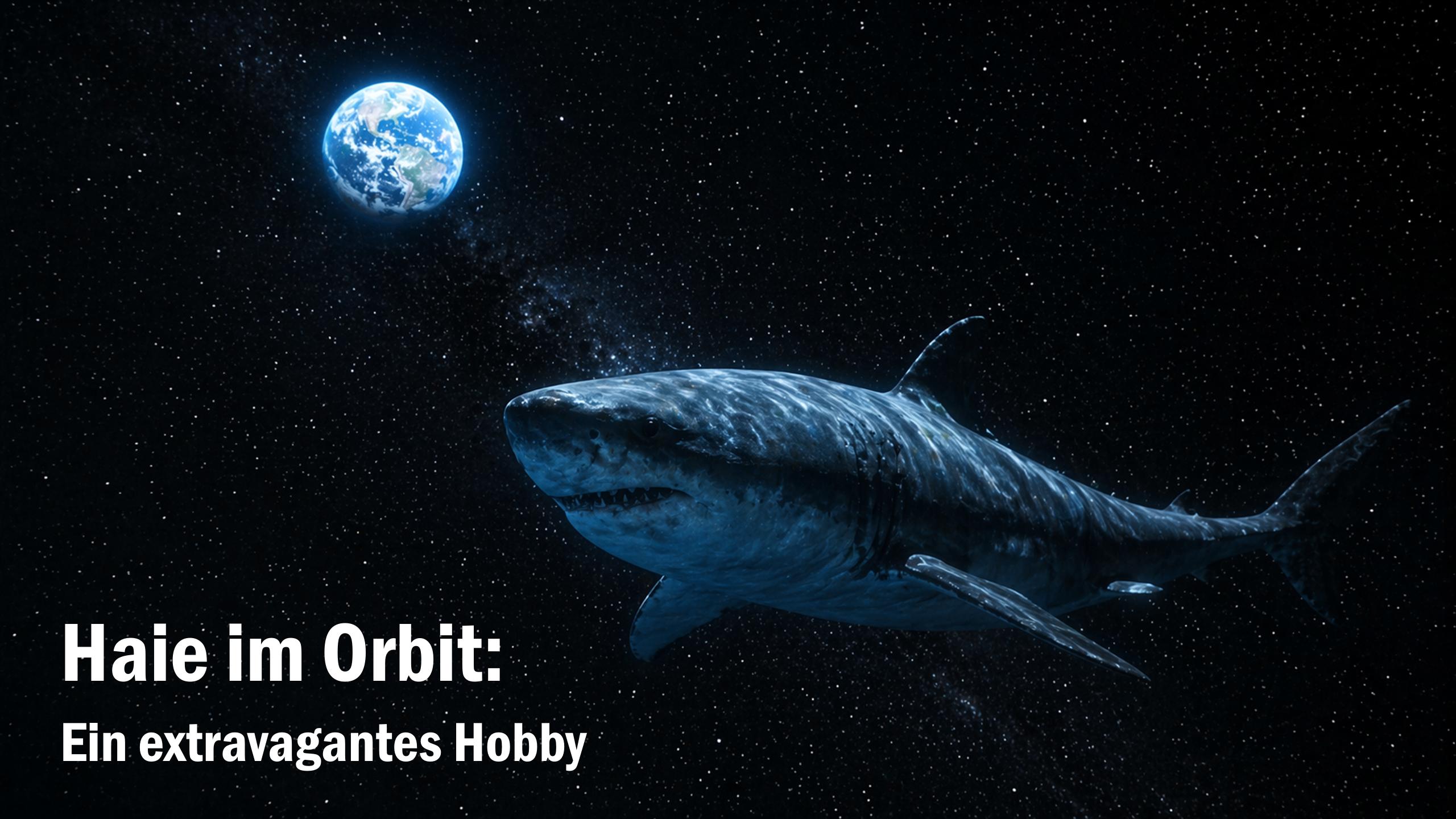
Inzwischen ist Nacht im Habitat. Die zentrale Lichtsäule ist auf ein tiefes, fast violettes Dämmerlicht heruntergeregelt. Unsere Beobachtungsblase schwimmt langsam zurück zur Besucherlounge. Dabei kommen wir noch einmal am transparenten Bodenabschnitt vorbei, seinem Crystoplast-Fenster. Draußen liegt das offene All. MARINE steht gerade günstig auf seiner Jahresschleife: die Erde ist eine volle Scheibe, kaum handgroß, aber hell genug, um durch die Fenster herein zu scheinen. Und dort unten treibt ein schlafender Hai in seinem langsamen Sinkflug, bewegungslos bis auf das regelmäßige Aufklappen der Kiemen.
Vom fahlen bläulichen Schein der Erde beleuchtet, scheint der Hai vor dem Sternenhintergrund im Weltraum zu schweben.
Mehr Kultur
2078 Neueste Forschung
2090 Adaptive Zusammenfassung
2115 Neuroimplantate
2128 Kinder Gen-Baukasten
2165 Yksityiskohta World Jam
2168 Spaceship Udyama
2231 Vereinte Planeten
2234 Am Ende des Orbits
2326 Kein interplanetarer Krieg
2343 0G-Spiele
2369 Mabesi-Krise
2445 Scum-Festival
2625 Alien-Tiere kommen zu uns
2664 Die Geschichte der Galaxis
2693 Reisen unter fremden Sonnen
2721 Spacedom-Tragödie
2750 VR-Drama Executive Decision
2825 Haie im Orbit
3050 Königliche Garde
3090 Solo Ehre
3131 Roboter und Drachen
3300 Begriffsveränderung
3353 Tor der Kontroverse
Neue Beiträge
2326 Kein interplanetarer Krieg
2333 Metrische Impulsverstärkung
3361 Erste Menschheit
2222 Weltraumpiraten
2248 Gemini-Katastrophe
2337 Verschwörung im Orbit
2825 Haie im Orbit
3353 Tor der Kontroverse
2158 Space Patrol
3050 Königliche Garde
3090 Solo Ehre
2234 Am Ende des Orbits
2366 Orbitale Ökonomie
2312 Kaio-Artefakt
2247 Quantensprung
2284 Trennung der Erde
2321 Isolation der Erde
2205 Unternehmensnationen
2192 Antiexpansionistischer Terror
2179 Private Asteroidenbasis
Die Besten
(20 von 76)
2135 Sonnenschirm für die Erde
2197 Mond-Revolte
2234 Am Ende des Orbits
2303 Raumhändler-Putsch
2471 Krieg auf der Venus
2681 Roboterzivilisation
2722 Sein Leben für die Kinder
2743 Kisor's Geschichte
2750 VR-Drama Executive Decision
2806 Weltraum Müll
3010 Wiederbesiedlung Kisors
3042 Galaxien
3050 Königliche Garde
3110 Zersplitterung des äußeren Systems
3245 Sterge-Blockade
3270 12.000 Jahre Geschichte
3296 Drachenlegenden
3353 Tor der Kontroverse
3361 Erste Menschheit
3365 Quantensprung
 2828
Crab-Zivilisation
2828
Crab-Zivilisation